

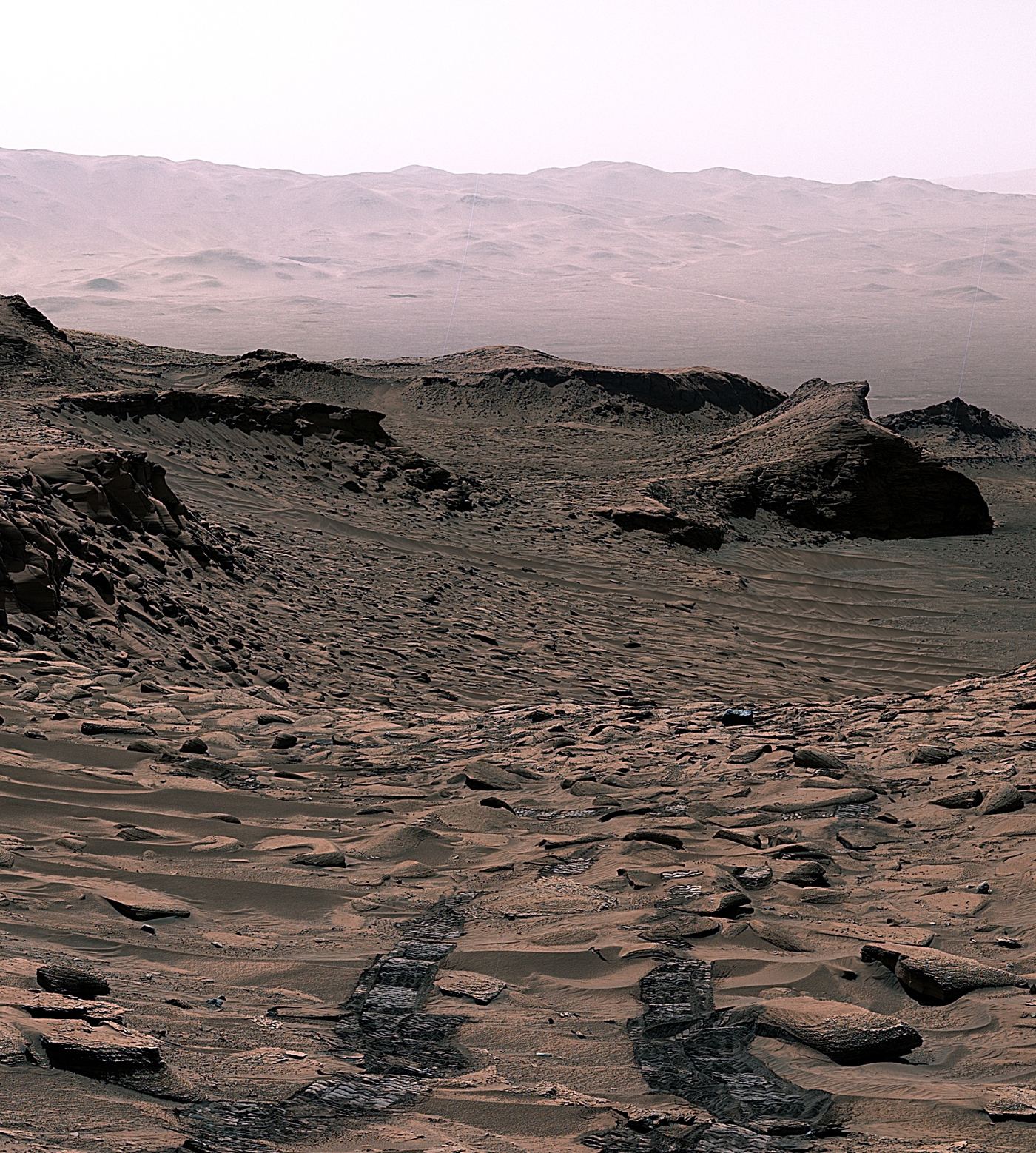
A rover exploring Mars can analyse rocks where it finds them, but the instruments it carries are small and limited compared with the laboratories back on Earth. That is why one rover has spent its mission carefully sealing rock samples into metal tubes and leaving them on the surface for a future mission to collect. Each tube holds a drilled core of rock chosen for what it may reveal about ancient water, past climates or possible signs of life, and each is sealed tight so the sample stays clean during years of waiting in the Martian cold. Scientists value the collection because Earth laboratories can date rocks far more precisely, examine them at microscopic scales and test them with instruments too large and delicate to fly. A returned sample could settle questions that remote analysis can only hint at, including whether organic molecules in the rocks were made by geology alone or by something living long ago.
What the Evidence Shows
Choosing which rocks to keep has been a careful process, guided by images, chemical readings and the judgement of geologists working with the rover team. Cores have been taken from an ancient river delta, from lakebed sediments and from volcanic rocks that can anchor the ages of everything around them. Some tubes are stored together in a depot on flat ground, while others remain inside the rover as a backup in case the depot cannot be reached. Engineers are now designing the fetch mission that would land nearby, pick up the tubes with a robotic arm and launch them into orbit for the journey home. The plan faces real challenges, from landing precisely beside the depot to launching a rocket from another planet for the first time. Even so, mission planners say the samples are the most valuable cargo ever prepared on Mars, and that bringing them home is the clearest route to answering whether the planet was once habitable. Reporting and analysis from sources such as Nature track the same developments, and specialists following the sealed Mars rock samples say the direction is now consistent across independent lines of evidence.
The Wider Context
The wider context is a research landscape in which replication and open data now decide reputations. Findings connected to the sealed Mars rock samples are being checked by independent groups with shared datasets, and the teams involved publish their methods in full so rivals can test every step. That discipline is slower than a headline cycle, but it is why results in this area increasingly survive first contact with scrutiny.
What Happens Next
What happens next in the story of the sealed Mars rock samples will be decided by follow-up work already under way: larger samples, longer observation and instruments that have not yet come online. The researchers involved are unusually united on one point, that the current results justify the next investment of time and money. Readers will not have to wait long for the first tests of that claim. You can follow related developments in our coverage of science.
None of this will be settled by a single announcement, study or product launch. The pattern to watch is accumulation: independent confirmations, honest reporting of failures and steady improvement in the underlying numbers. Readers who follow those signals, rather than the loudest claim of the week, will understand this subject better than most of the commentary surrounding it suggests is possible.
