

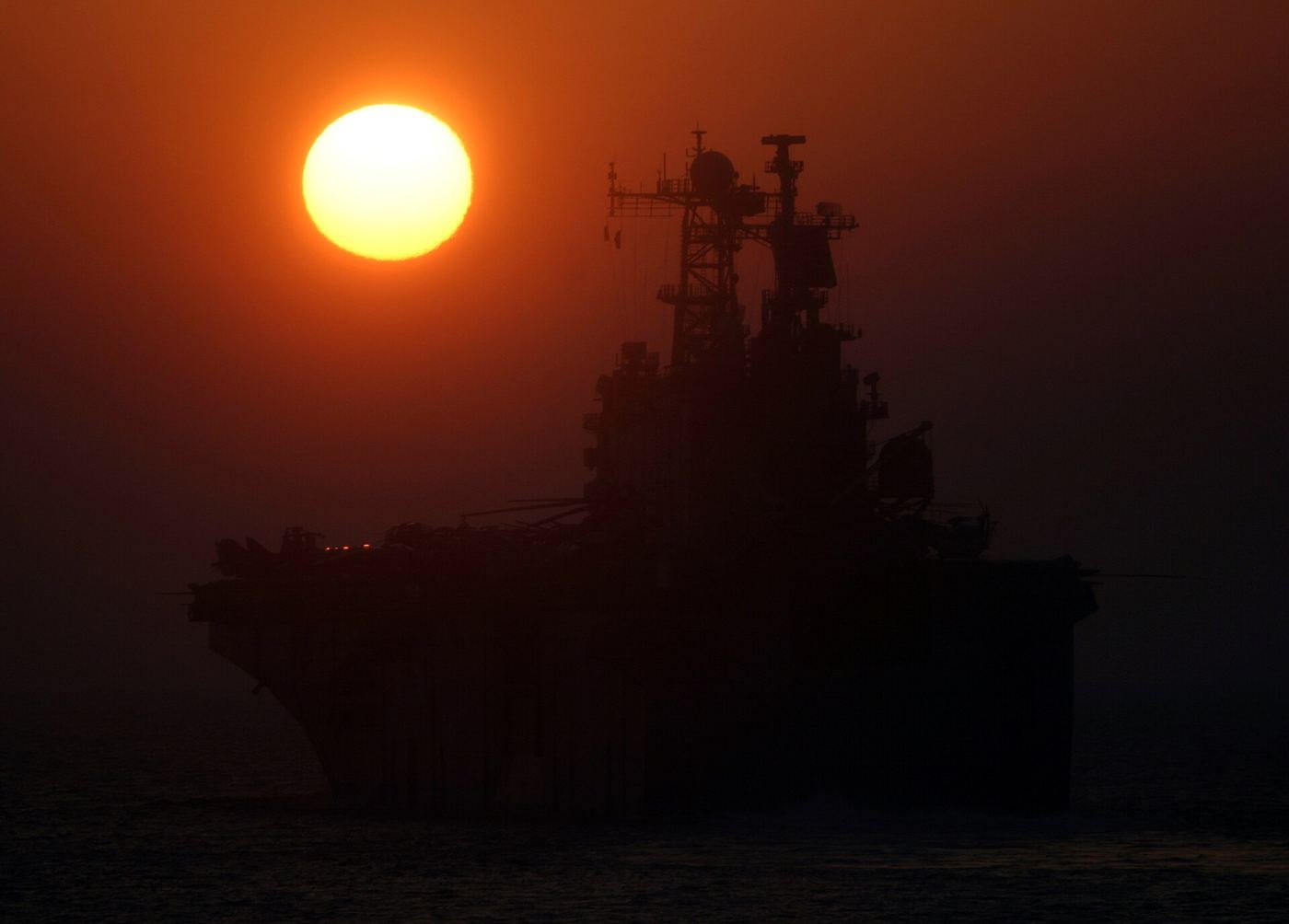
Iran’s Revolutionary Guard said on 22 November 2026 that its air defences had shot down a United States MQ-1 drone east of the Strait of Hormuz. The Guard said it was the fourth aircraft of its type intercepted in 24 hours and warned that Iranian airspace was a red line that would be defended. The incident came a day after Iran fired missiles and drones at United States bases in Bahrain, wounding two people and hitting a civilian industrial facility. The exchanges are the latest escalation in a regional conflict that began in February 2026 and has repeatedly drawn in the United States, Israel and the Gulf states. Qatar and Oman have been trying to broker a deal to stop the fighting, but the diplomacy has so far failed to hold.
What the Evidence Shows
The Strait of Hormuz is one of the most important waterways in the world, carrying about a fifth of the world’s seaborne oil between the Gulf and the open sea. Any threat to shipping through the strait lifts oil prices and rattles markets far beyond the region, which is why every incident there is watched so closely. The United States has struck targets inside Iran twice in November, while Iran claims its latest attacks destroyed two American Patriot radar systems in Bahrain, a claim Washington has not confirmed. Bahrain said one of the two people wounded in Saturday’s attacks was in a critical condition. With both sides trading blows and neither willing to back down, the risk is that a single miscalculation, such as a drone shot down over disputed waters, turns a regional conflict into something far wider. Reporting and analysis from sources such as Reuters track the same developments, and specialists following Iran shooting down a United States drone near the Strait of Hormuz say the direction is now consistent across independent lines of evidence.
The Wider Context
The wider context is a public conversation conducted at a speed institutions were not built for. Developments around Iran shooting down a United States drone near the Strait of Hormuz are announced, contested and revised within a single news cycle, and the officials involved have learned to publish evidence alongside claims so that scrutiny can actually occur. Trust, the polling suggests, follows that transparency more than it follows confidence.
What Happens Next
What happens next in the story of Iran shooting down a United States drone near the Strait of Hormuz will be decided in the places where it is being implemented, measured and argued about in public. The officials and organisations involved have committed to publishing progress data, and that commitment gives residents, businesses and journalists something firmer than promises to judge. The next milestones are dated, which means they can be checked. You can follow related developments in our coverage of news.
There is a practical lesson in all of this for readers deciding what to do today. Start with the verified facts, be wary of anyone promising certainty, and prefer reversible steps while the evidence is still developing. Circumstances differ by country, income and personal situation, so general guidance should always be weighed against your own context before you act on it in any significant or lasting way.
