

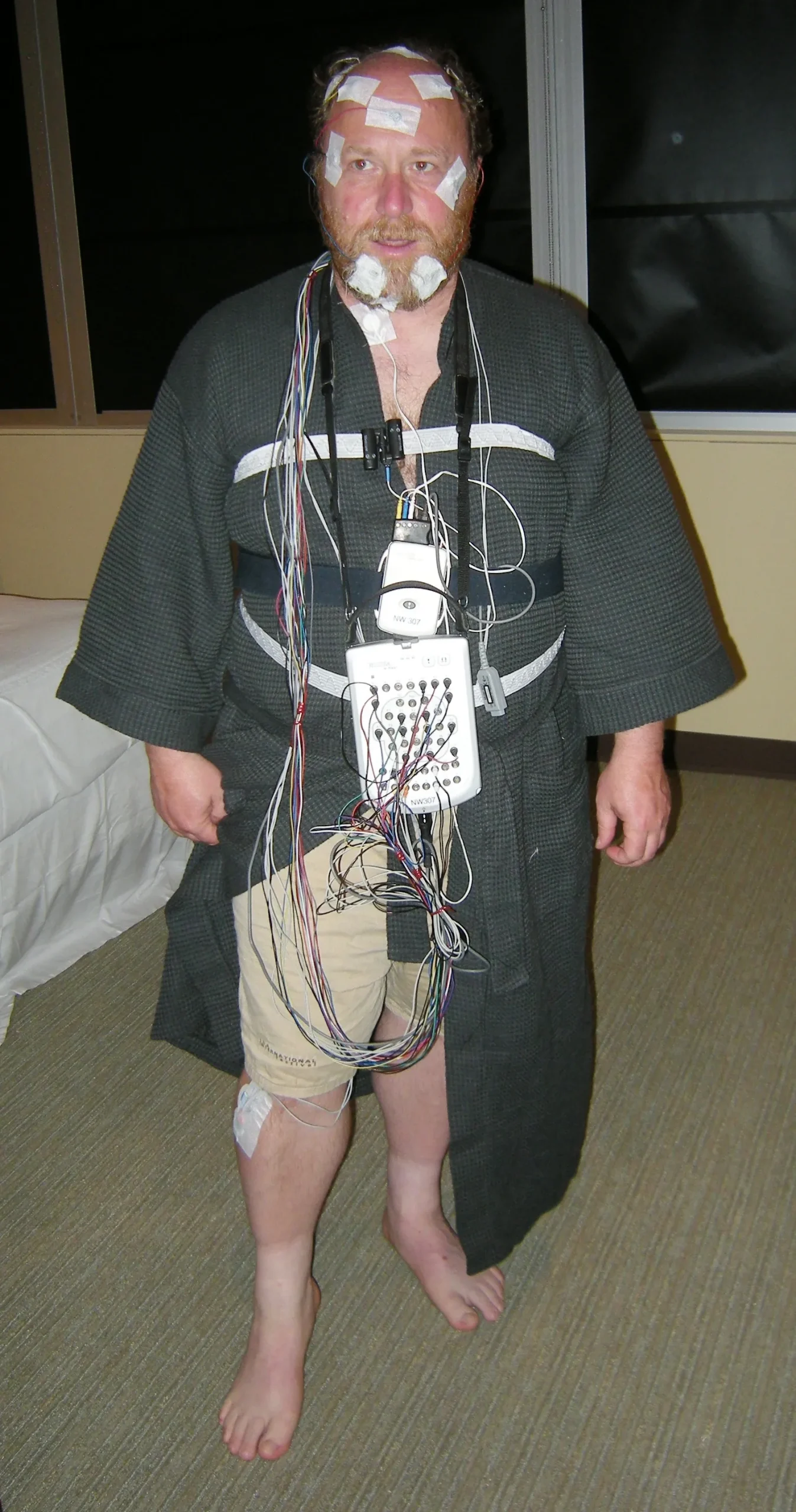
Students have always suspected that an all-night cram session is a poor bargain, and memory research largely agrees with them. Sleep is not a pause in learning; it is part of learning. During the night, the brain replays, sorts and strengthens the traces laid down during the day, deciding — in effect — what is worth keeping. Understanding that process turns sleep from a lifestyle nicety into a study tool.
The Centers for Disease Control and Prevention recommends seven or more hours for most adults, with teenagers needing considerably more. Few people consistently get it, and the costs show up precisely where researchers would predict: in attention the next day, and in how much of yesterday survives. More health features are on our homepage.
What Happens to Memories Overnight
Memory researchers distinguish stages of sleep with different jobs. Deep, slow-wave sleep — concentrated in the first part of the night — is strongly linked to consolidating facts and events, the “declarative” memories students rely on. Later, REM-rich sleep is associated with procedural skills, emotional processing and creative recombination: the brain making unexpected connections between ideas.
A leading account describes an active dialogue: the hippocampus, a fast-learning structure, replays the day’s experiences to the cortex, which stores them durably. Interrupt that dialogue — with a shortened night, alcohol, or fragmented sleep — and recall measurably suffers. The effect is not subtle in laboratory studies: groups who sleep after learning routinely outperform equally rested groups kept awake, on tests given days later.
The Evidence, Without the Miracles
Good science writing about sleep needs restraint, because the field attracts hype. The honest summary: the link between sleep and memory consolidation is among the most robust findings in the psychology of learning, demonstrated across naps, full nights and many kinds of material. Shorter claims — that one technique or product can substitute for sleep, or that a single bad night erases learning — are not supported.
Naps deserve a balanced mention. Brief daytime sleep can help consolidate material and restore alertness, which is why some schools and companies experiment with rest spaces. But naps complement rather than replace the full nightly cycle, whose architecture of stages cannot be compressed into an afternoon. The Sleep Foundation offers practical guidance on building both into a routine.
What This Means for Learners
For students, the implications are almost embarrassingly practical. Study, then sleep, then test — in that order. Spreading revision across days, each followed by a normal night, beats massing it into one exhausted session. Late-night caffeine and screens work against the mechanism twice: they delay sleep onset and fragment the deep stages where consolidation begins.
For adults, the same principles apply to learning a language, a job skill or an instrument. Practice loads the material; sleep files it. Treating the night as part of the lesson is free, legal and effective — a rare combination in the world of study advice.
The Wider Point
Sleep and memory research also reframes tiredness itself. A forgotten name or a muddled meeting after a short night is not a character flaw; it is a filing system that never got its overnight hours. Societies that schedule early starts, late messages and round-the-clock availability are, whether they know it or not, taxing their own memory.
The brain’s nightly work is quiet and unglamorous, and it remains irreplaceable. Learn during the day, sleep at night, and the two halves of memory will each do the job they evolved for. See more in our lifestyle coverage.
There is a cultural shift buried in this research. For a century, sleep was framed as the price of ambition — the thing successful people proudly minimised. Memory science reframes it as part of the work itself: the night shift in which the brain edits, files and strengthens what the day produced. Students who protect sleep are not being soft on themselves; they are completing the learning cycle. Employers and schools are beginning, slowly, to design around that fact with saner start times and saner deadlines. Until they do, the most evidence-based study aid available remains unpatentable and free: a full night, at a regular hour, after the books close.
