

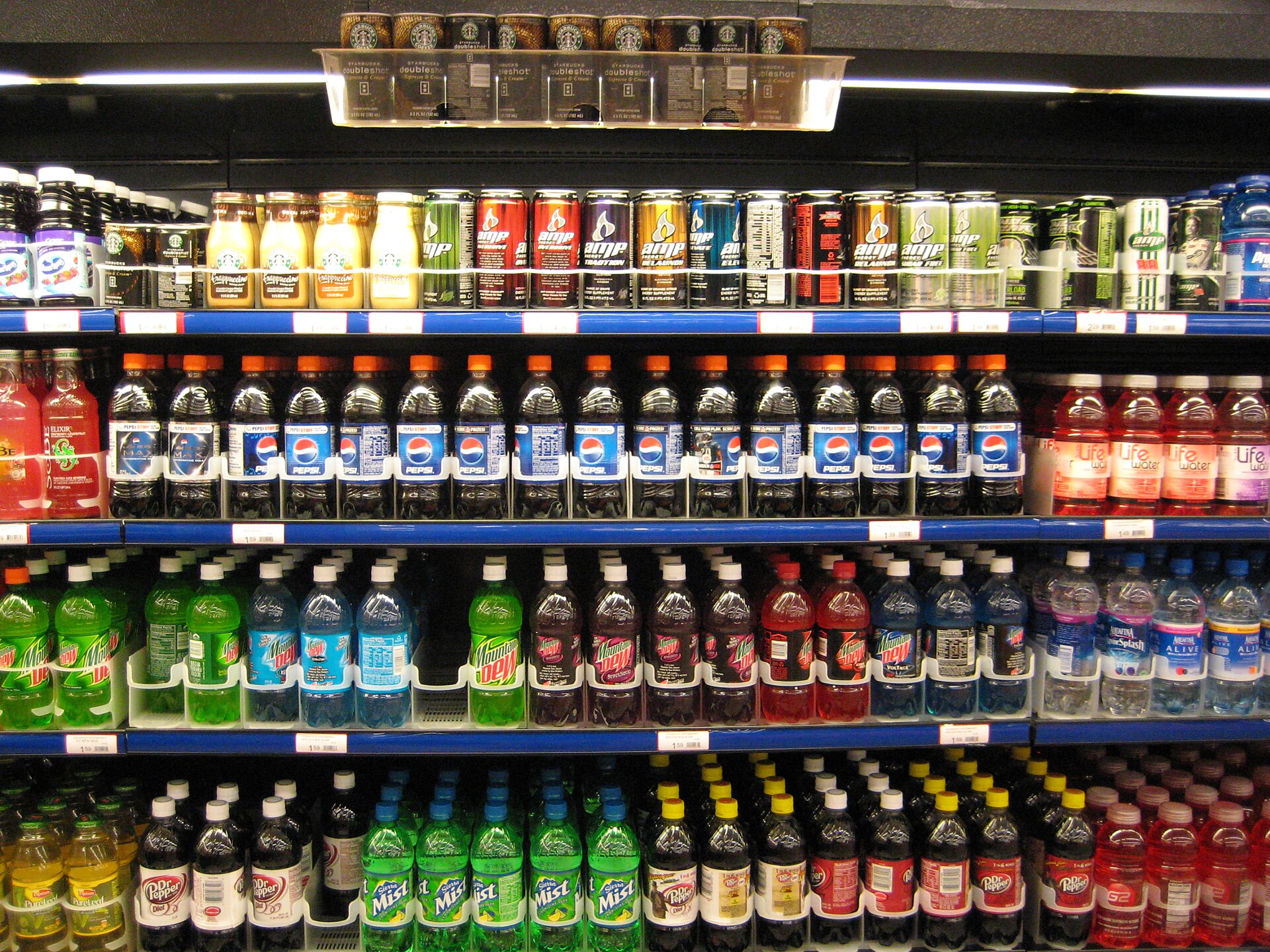
A new study examining the debate over ultra-processed foods has found that nine in ten research papers disputing the definition of the category had ties to the food industry. The finding does not settle the scientific argument about how such foods should be classified or what they mean for health. It does, however, raise familiar questions about how commercial interests shape published research, and why readers should look at funding and affiliations when a paper challenges an established framework. The analysis arrives as governments, including the United States, consider whether processing level should play a formal role in dietary guidance and on food labels.
What the new analysis examined
The papers in question disputed the definition used by the NOVA classification, a system developed by researchers in Brazil that groups foods by the extent and purpose of their industrial processing. Under NOVA, ultra-processed foods are industrial formulations made largely from substances extracted from foods, plus additives, and typically include soft drinks, packaged snacks, reconstituted meats and many ready meals. Critics of the system argue that it groups together products with very different nutritional profiles and that processing alone is a blunt instrument. Supporters respond that the category captures something real about modern diets that nutrient-by-nutrient analysis misses, pointing to studies linking high consumption with poorer health outcomes.
Understanding the NOVA system
The new analysis looked at authorship and declared connections in papers that argued against the definition. In roughly nine cases out of ten, authors had links to food companies or industry-funded organisations, whether through funding, employment, consultancy or affiliations. That pattern matters because it mirrors findings in other fields, from tobacco to pharmaceuticals, where research questioning a consensus has disproportionately come from interested parties. The study’s authors are careful to say that industry ties do not make a paper wrong. Legitimate scientific disagreement exists, and industry scientists can produce valid work. The concern is about balance: if most of the published pushback comes from one side of the commercial argument, the literature may look more divided than the underlying evidence warrants.
Why definitions matter for labels
Definitions are not academic trivia; they decide what ends up on labels and in policy. If regulators adopt a definition of ultra-processed food, manufacturers may need to reformulate products, change marketing or accept warning labels, as has already happened in some countries. Guidance from bodies such as the World Health Organization and national agencies shapes those choices, while in the US the Food and Drug Administration oversees labelling rules. It is easy to see why the definition itself is worth a great deal of money, and why companies would fund research that questions it. That context does not invalidate the criticism, but it does mean the criticism should be read with its sponsorship in view.
What consumers can take from this
For consumers, the practical advice is more modest than the headlines suggest. Nutrition scientists generally advise reading studies, including this one, with a few questions in mind: who funded the work, what exactly was measured, and does the finding fit with the broader body of research? A single analysis of authorship cannot prove that any particular food is harmful or safe, and this study should not be read as doing so. It is best understood as evidence about the research ecosystem itself. Our own earlier reporting, this earlier report, explored how health evidence reaches the public; the same sceptical habits apply here, to papers on every side of the argument.
Researchers who defend NOVA say the classification was never meant to demonise individual products but to describe dietary patterns: populations eating the most ultra-processed food tend to eat more energy, sugar, salt and fat, and less fibre. Critics counter that a yoghurt and a cola should not share a category simply because both are industrially produced, and that policy should target nutrients directly. Both positions can be argued in good faith. What the new study adds is a reminder that the published record is not a neutral sample of opinion, and that undisclosed or underappreciated conflicts of interest can tilt a debate that later hardens into regulation.
The likely outcome is more scrutiny rather than a sudden verdict. Journals have tightened disclosure rules in recent years, and studies like this one encourage them to go further. Policymakers drafting labelling rules will need to weigh the classification debate on its merits while knowing who has been funding the loudest objections. For shoppers standing in a supermarket aisle, little changes overnight: a varied diet built mostly on minimally processed foods remains the mainstream advice, regardless of where the definitional argument lands. The study’s real contribution is transparency. Knowing who writes the papers helps everyone, scientists included, judge how much weight each argument deserves.
