

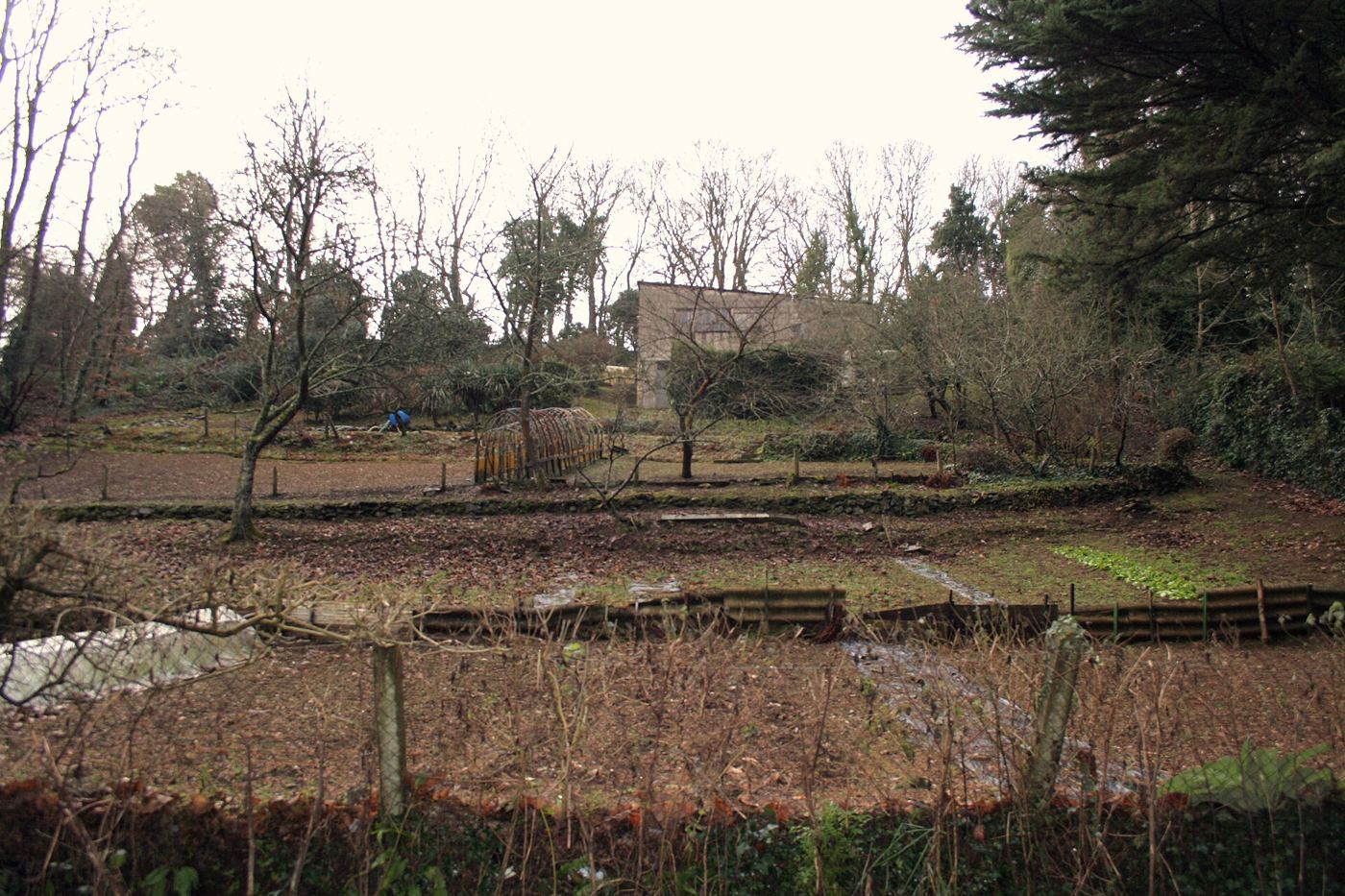
Waiting lists for allotment plots are growing longer in towns and cities, as more residents seek a patch of ground to grow vegetables, escape the indoors and meet their neighbours. Council officers say demand has risen sharply in recent years, with some lists now holding hundreds of names and waits of several years for a plot. The new plot holders include young families, workers who spend their days at a desk, and older residents looking for gentle exercise and company. They say the appeal is simple: fresh food, time outdoors, and a place where the day slows down. Plot holders swap seeds, share tools and pass on tips, and many say the allotment has become the friendliest place in their week. Councils say they are looking for new land to turn into allotments, including unused corners of parks and empty plots, but that finding and preparing ground takes time and money. For those waiting, the list is a test of patience, though many say it is worth the wait.
What the Evidence Shows
Gardening experts say allotments bring benefits far beyond the vegetables, from better physical health to lower stress and a stronger sense of community. Studies have found that people who garden regularly report feeling calmer and more connected to their neighbours, and that children who help on a plot learn where food comes from and eat more vegetables. Councils that have opened new sites say they fill quickly, and that the best sites are those with water, secure fencing and a small hut where plot holders can gather. Campaigners argue that councils should protect existing allotments from development, since once the land is built on it is lost for good. They also urge councils to split larger plots, so that more people can have a smaller patch rather than a few holding large ones. For the plot holders, the reward is a basket of fresh food and an afternoon well spent, and for the towns, the allotment is a green space that feeds both people and friendships. Reporting and analysis from sources such as Reuters track the same developments, and specialists following the growing allotment waiting lists say the direction is now consistent across independent lines of evidence.
The Wider Context
The wider context is a public conversation conducted at a speed institutions were not built for. Developments around the growing allotment waiting lists are announced, contested and revised within a single news cycle, and the officials involved have learned to publish evidence alongside claims so that scrutiny can actually occur. Trust, the polling suggests, follows that transparency more than it follows confidence.
What Happens Next
What happens next in the story of the growing allotment waiting lists will be decided in the places where it is being implemented, measured and argued about in public. The officials and organisations involved have committed to publishing progress data, and that commitment gives residents, businesses and journalists something firmer than promises to judge. The next milestones are dated, which means they can be checked. You can follow related developments in our coverage of news.
There is a practical lesson in all of this for readers deciding what to do today. Start with the verified facts, be wary of anyone promising certainty, and prefer reversible steps while the evidence is still developing. Circumstances differ by country, income and personal situation, so general guidance should always be weighed against your own context before you act on it in any significant or lasting way.
