

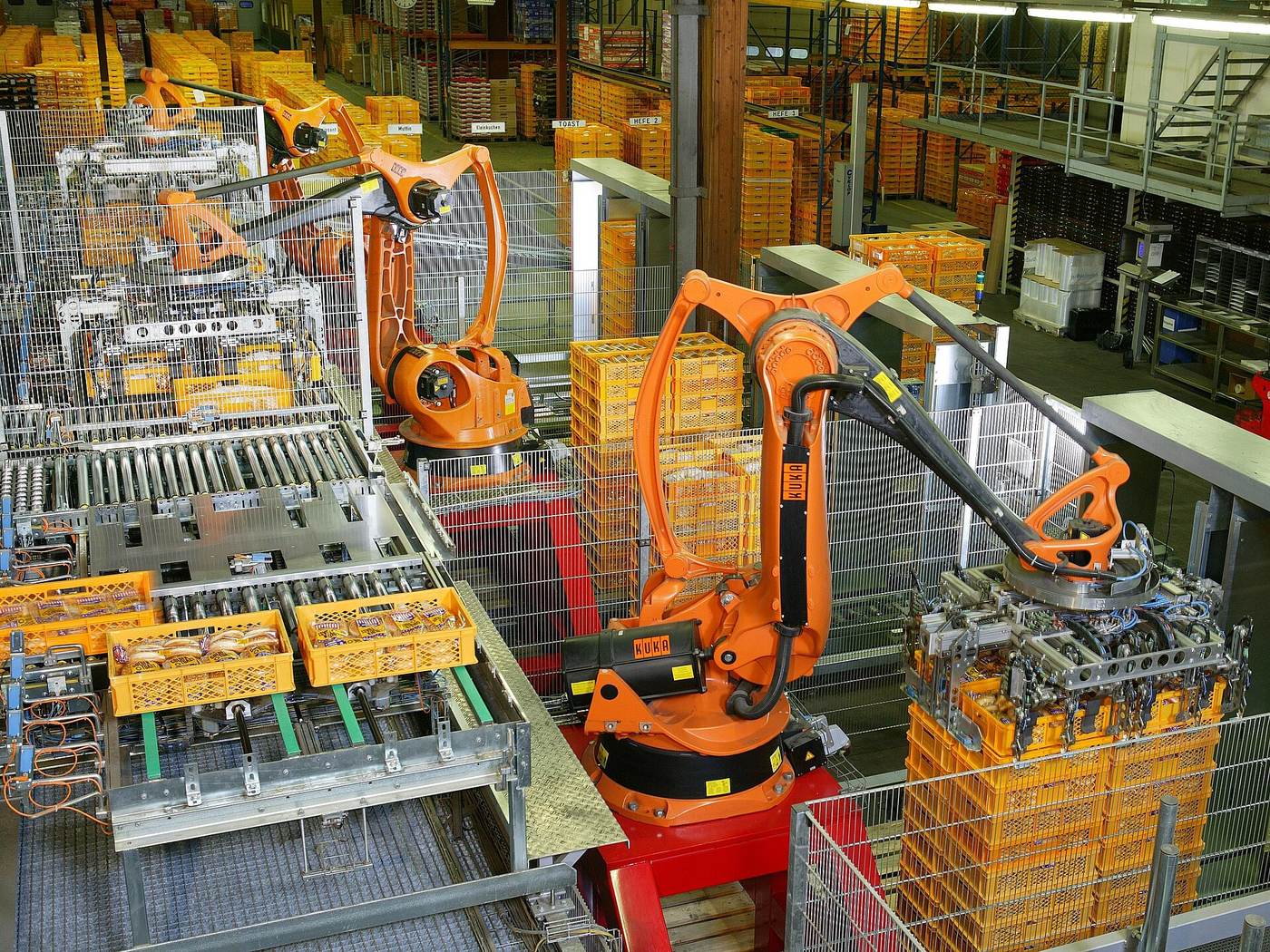
A modern production line generates data the way it generates heat: constantly, and in volumes that embarrass the networks meant to carry it. A single factory’s cameras and vibration sensors can produce terabytes a day. Sending it all to a distant cloud and waiting for an answer is, for a machine deciding whether a part is defective at line speed, simply too slow. So the computing is moving to the data — small, rugged AI servers on the factory floor that inspect, predict and react in milliseconds. The industry calls it edge computing, and manufacturing is where it is earning its keep.
Why the factory could not wait for the cloud
Physics and economics argue together. A visual inspection model that must accept or reject a component in the time it travels a metre cannot tolerate network jitter; a plant whose connection fails cannot stop producing. Edge systems answer both: they run locally, sync selectively, and send the cloud summaries, exceptions and training data rather than the raw torrent. Market analyses by IDC place edge spending among the fastest-growing segments of enterprise IT, with manufacturing the largest single adopter. Our technology coverage has tracked the pattern across our AI industry reporting: intelligence migrates to wherever the latency budget demands.
What the edge actually does all day
The unglamorous tasks dominate: spotting defects cameras were installed to catch, listening to motors for the vibration signature of a bearing about to fail, counting, verifying, logging for compliance. Each is small; together they are the difference between a line that stops for failures and one that schedules them. Workers’ roles shift in the familiar direction — fewer clipboards, more exceptions — with the same training questions that follow automation everywhere.
The cloud does not leave; it specialises
The workforce question follows the servers onto the floor. Edge systems create a hybrid role the industry is scrambling to fill — part controls engineer, part data plumber — and technical colleges are building courses for it as fast as they built them for robotics a decade ago. There is also a security shadow: thousands of small computers, physically accessible, running critical processes, are an attack surface the IT department never used to own. The factories managing the transition best treat the edge box with the seriousness of the machine it watches — maintained, patched, and respected as production equipment rather than office kit with a hard hat on.
Edge and cloud are settling into the division of labour the early hype obscured: the edge reacts, the cloud learns. Models are trained centrally on aggregated data, pushed out to thousands of factory boxes, and improved by the exceptions those boxes report. The factory of the next decade will think in both places at once — reflexes at the edge, memory in the cloud.
